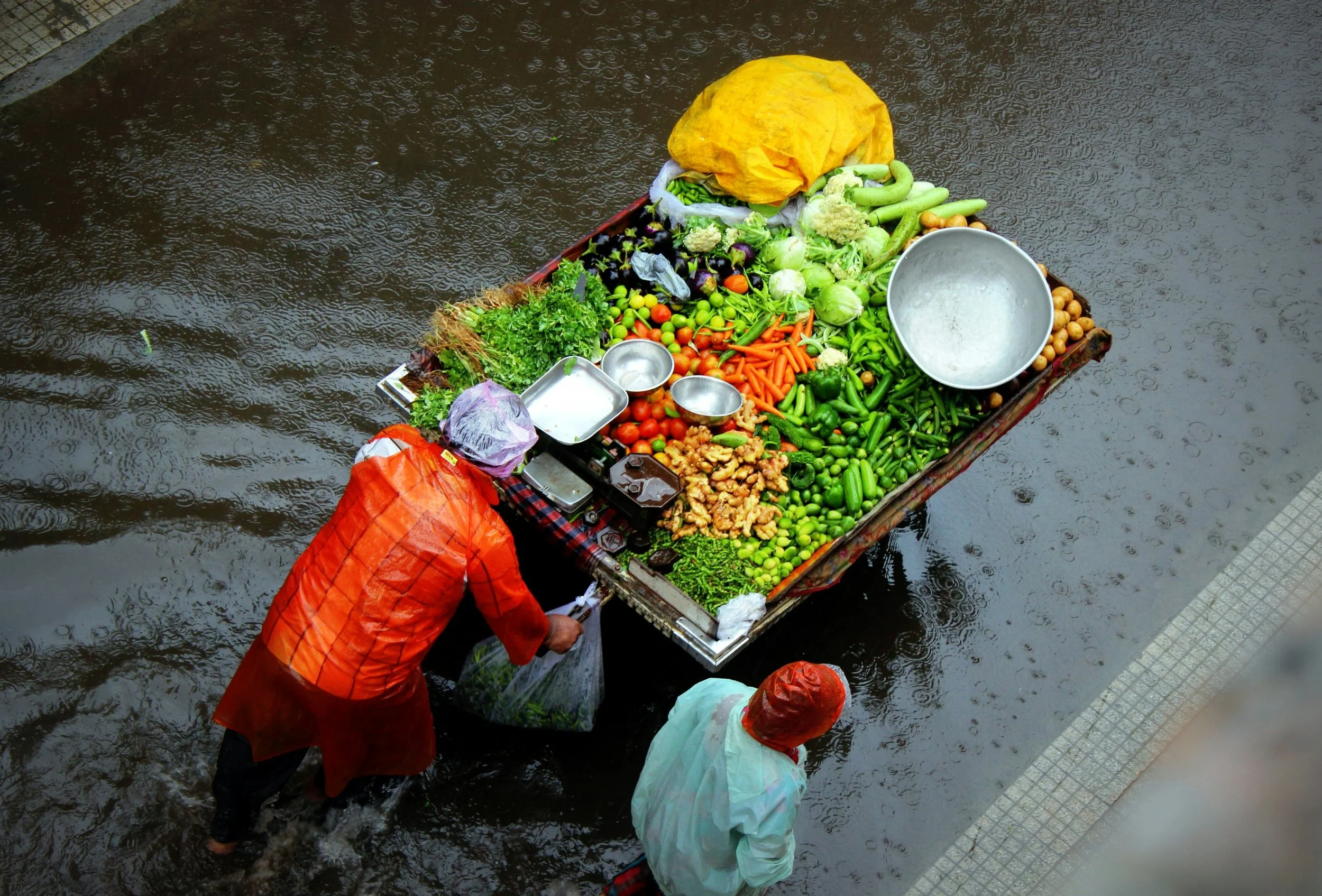
Health is shaped by the forces that organise daily life; governance, labour, food systems, climate, migration, and the design of cities. These systems shape exposure, vulnerability, and the capacity to prevent disease.
Equity is the foundation of global health, because no intervention is effective when access is uneven or exclusion is built into the system.
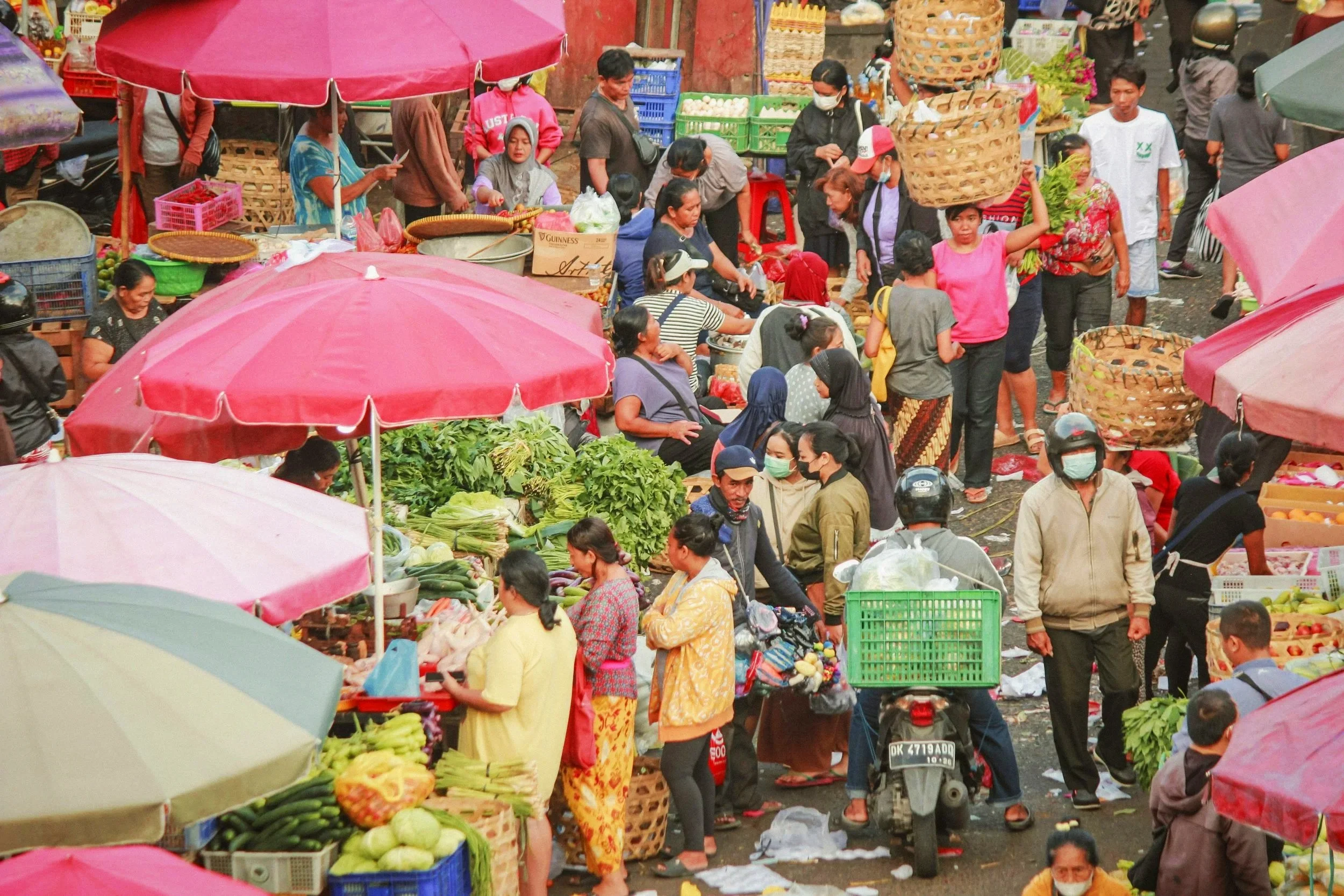
Long working hours, low wages, and high living costs in many LMIC cities shape everyday nutrition by limiting time for food preparation and pushing households toward inexpensive, ready‑to‑eat foods. Shift work, long commutes, and informal employment patterns increase reliance on street foods and ultra‑processed options, contributing to irregular eating patterns and chronic stress.
In many low‑income urban households, limited kitchen space and inadequate cooking equipment further constrain the ability to prepare healthy meals at home. These pressures disproportionately affect low‑income populations, reinforcing inequalities in diet quality and long‑term health.
Urban Living Costs
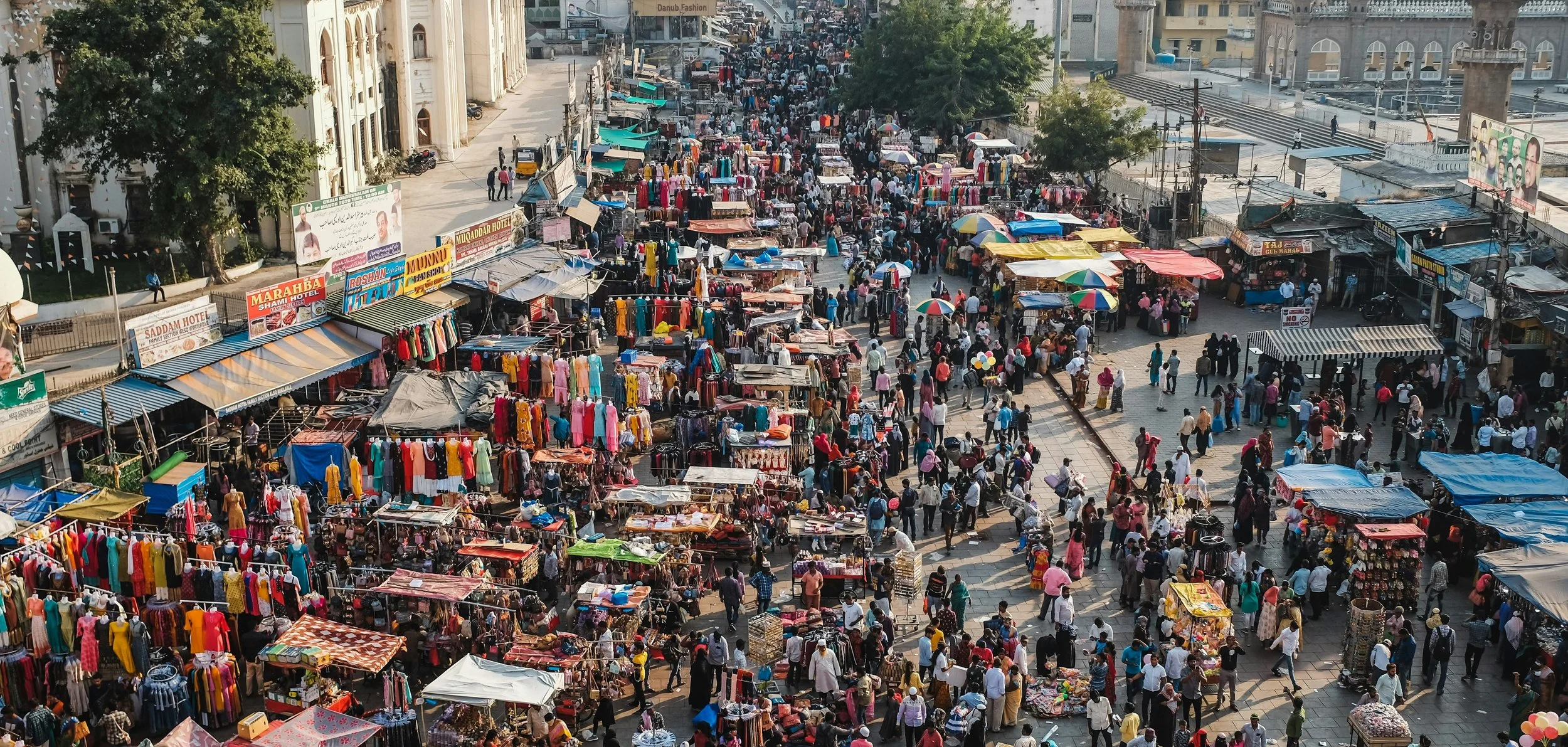
Local Food Systems and Security
Robust local food systems have been shown to improve food security, nutrition, and economic stability by shortening supply chains, supporting small producers, and increasing access to fresh, affordable foods.
Across many regions, investments in local markets, community growing projects, and fair distribution networks have reduced vulnerability to global supply shocks and improved dietary diversity. Community‑supported agriculture, food hubs, and municipal food‑resilience plans are already strengthening local access to nutritious foods in cities worldwide.
Food Swamps
Areas where unhealthy, ultra‑processed foods are more available and affordable than fresh options, often concentrated in low‑income neighbourhoods.Food Deserts
Neighbourhoods with limited physical access to affordable, nutritious foods due to distance, transport barriers, or lack of retail options.Food Security
When all people have reliable access to sufficient, safe, and nutritious food. In many LMIC cities, rising living costs and unstable supply chains make this increasingly difficult.
Global Health Trifecta: Alcohol, UPFs and Mental Health
An overview of the shared mechanisms between alcohol, ultra‑processed foods and how they intersect with mental health

Africa’s Rising Burden of Obesity and Disease
Exploring Africa’s rapidly growing triple burden of malnutrition and how this trend mirrors and diverges from global patterns
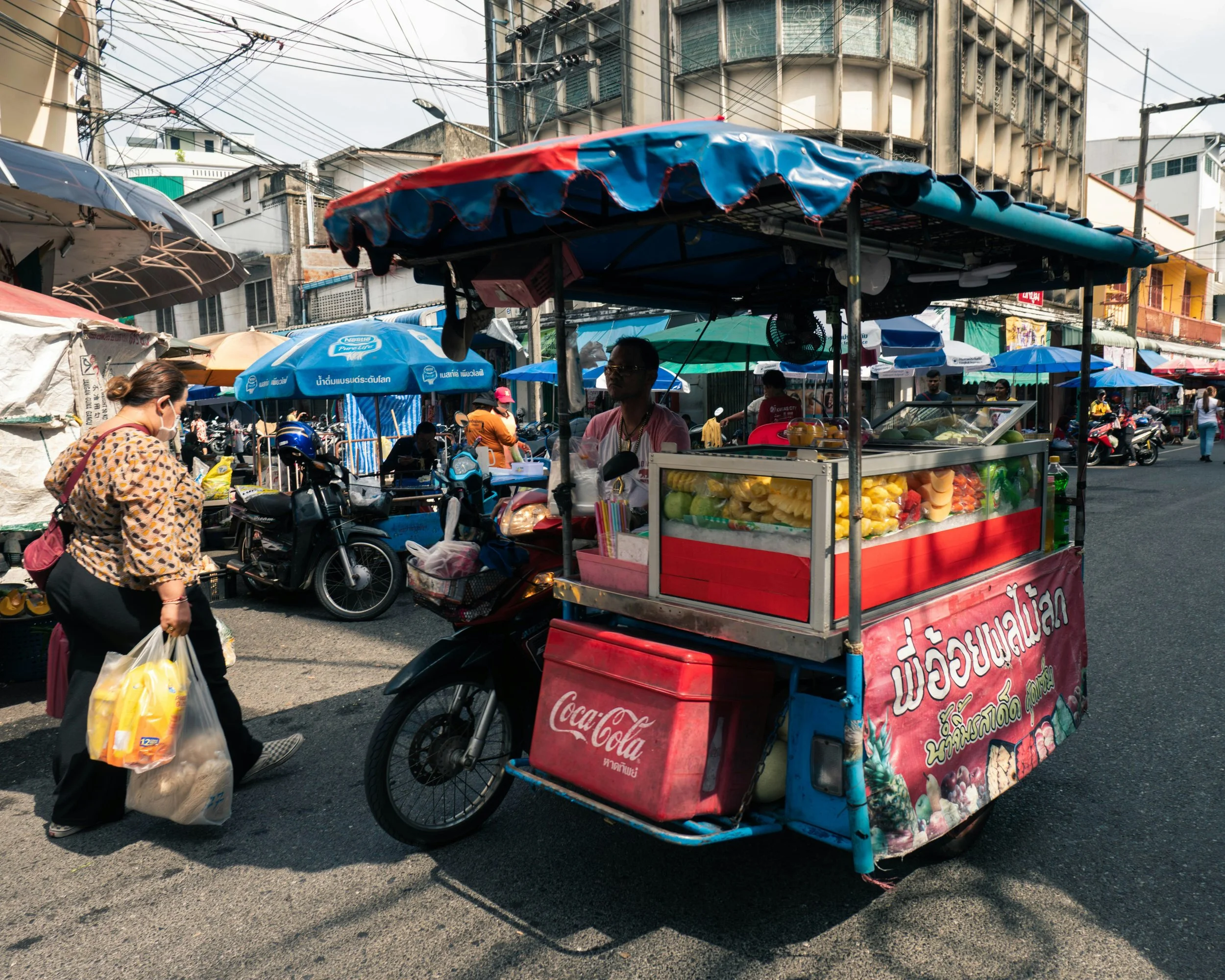
When the City Shapes the Mind: Understanding NCDs Through Urban Stress
Chronic urban stress alters how people think, plan, and cope and those cognitive shifts are the hidden engine behind today’s NCD epidemic
How Climate Shapes Health
-
Climate change is intensifying heatwaves, droughts, floods, and unpredictable weather patterns. These pressures disrupt food production, increase infectious disease risks, and strain health systems that are already under‑resourced. As climate shocks accelerate, they shape everything from nutrition security to mental health, with the greatest impacts falling on regions least equipped to adapt.
-
Air pollution, unsafe water, contaminated soil, and degraded ecosystems directly affect respiratory, cardiovascular, and cognitive health. Exposure is rarely equal: low‑income and marginalised communities often live closer to industrial sites, busy roads, or areas with poor infrastructure. These environmental burdens accumulate over time, shaping lifelong health outcomes.
-
Climate and environmental risks fall hardest on communities with limited resources, unstable housing, or restricted access to healthcare and nutritious food. Displacement, loss of livelihoods, and weakened social support systems increase stress and reduce resilience. These vulnerabilities are rooted in structural inequities, not individual choices.
-
Environmental conditions shape health across the lifespan. Clean air, safe water, stable food systems, and climate‑resilient environments support physical, mental, and cognitive well-being. When these conditions break down, health inequities widen. Addressing climate and environmental health is therefore essential for creating fairer, healthier futures for all.