
Nutrition is shaped by the systems people live within; food prices, marketing, urban environments, and structural inequalities. Healthy diets depend on environments where nutritious options are accessible, affordable, and part of everyday life. Building fairer food environments is a cornerstone of healthier, more equitable urban futures.
How Food Systems Shape Heart Health
Cardiovascular diseases are the leading cause of death worldwide, and more than 75% of these deaths now occur in low‑ and middle‑income countries (LMICs). Diet quality and food environments are central drivers of this shift.
Urbanisation has accelerated transitions toward ultra‑processed foods, high salt intake, refined carbohydrates, and inexpensive fats, all linked to hypertension and cardiometabolic disease. Globally, high sodium intake contributes to an estimated 1.9 million cardiovascular deaths each year, while diets low in fruits and vegetables account for more than 3 million deaths.
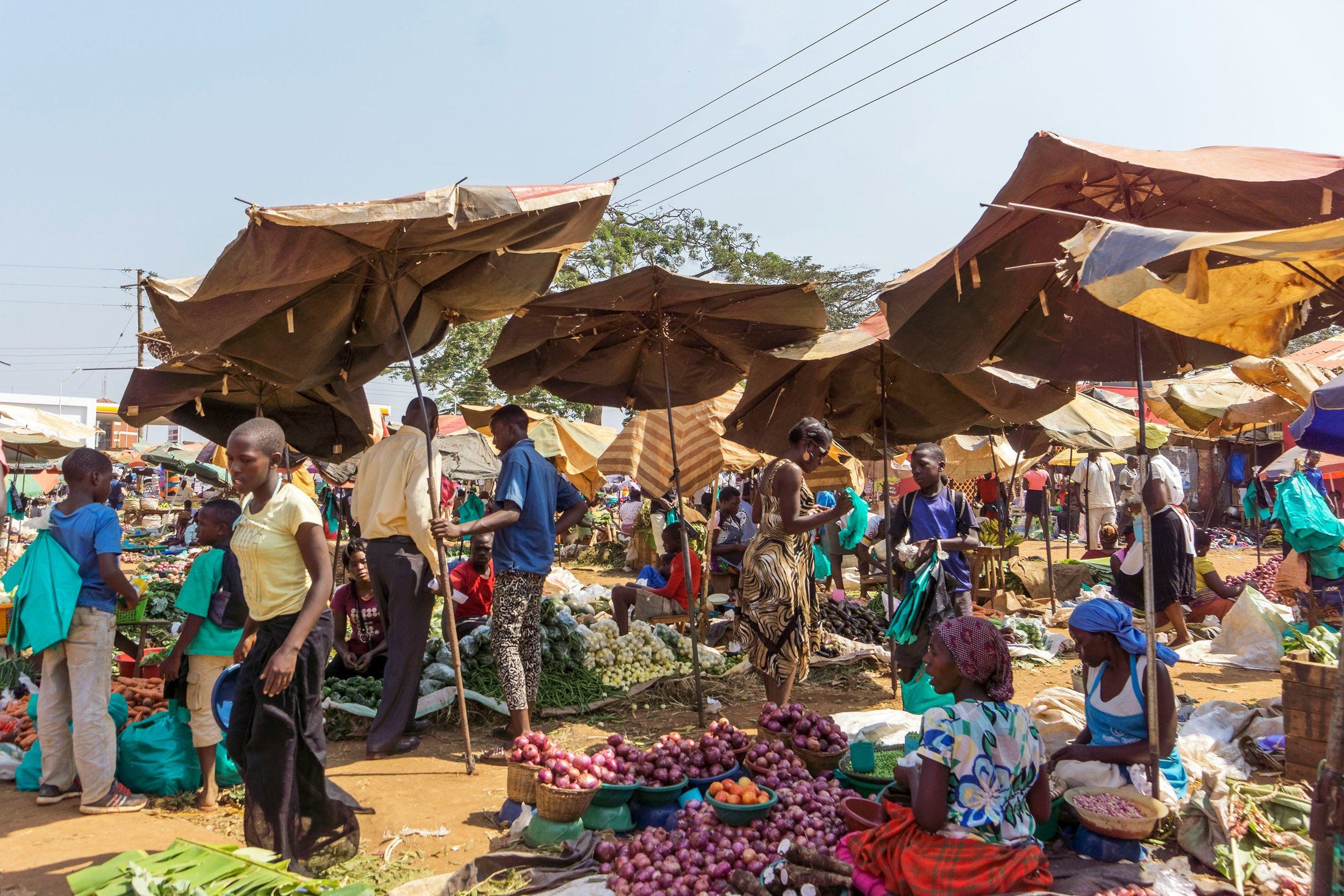
In many LMICs, food insecurity pushes households toward low‑cost, energy‑dense foods, while healthier options remain unaffordable or inaccessible. These structural conditions, shaped by poverty, marketing, regulation, and the clustering of fast‑food outlets in low‑income areas make heart‑healthy diets difficult to achieve.
Improving heart health requires more than individual behaviour change. It depends on food systems that make nutritious diets affordable and accessible, and on urban environments that support healthier choices across the life course.


In many LMIC cities, healthy foods cost much more per calorie than ultra‑processed ones, shaping everyday dietary choices
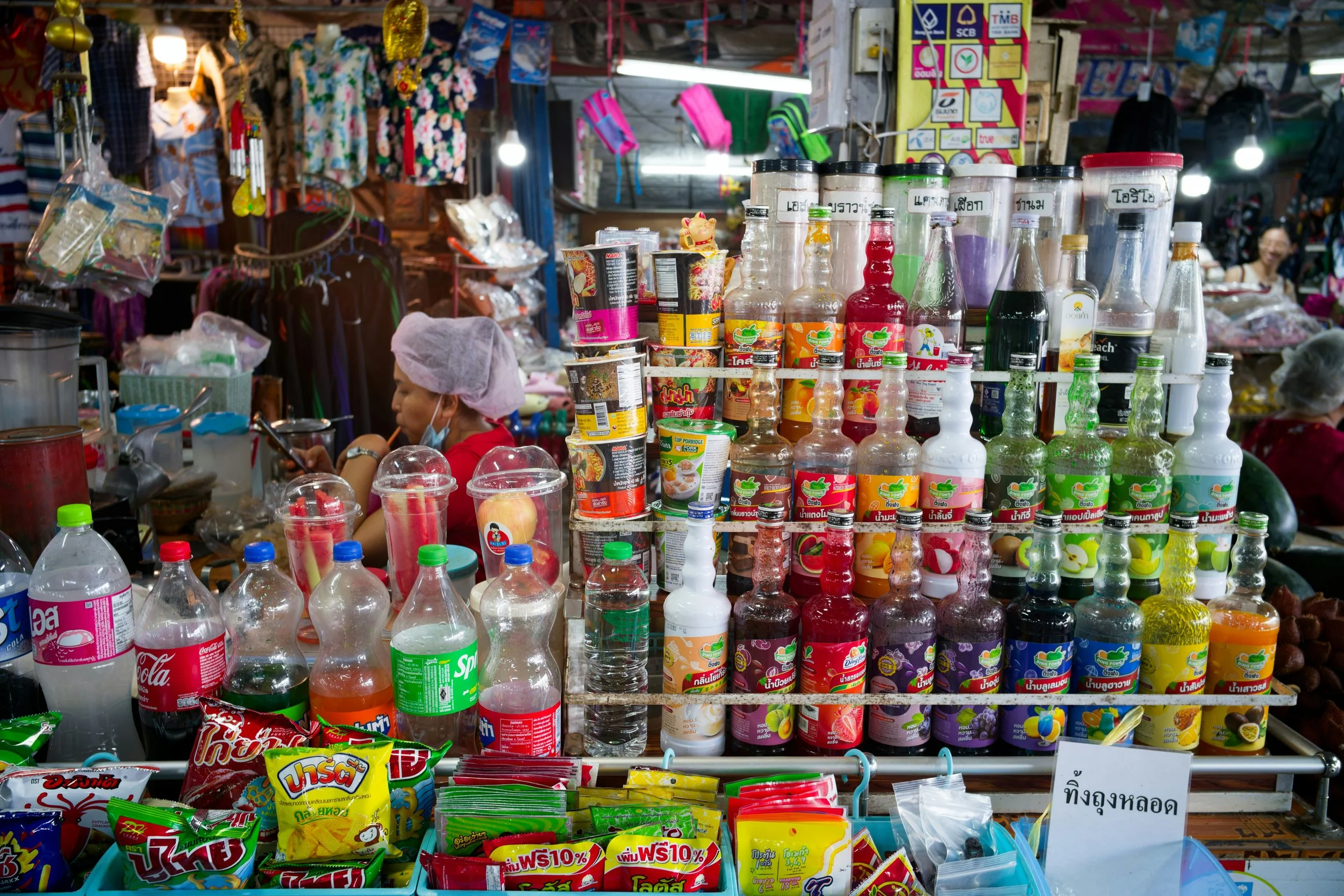

Sugary drinks are among the fastest‑growing sources of calories for children and adolescents in LMICs, driven by low cost, aggressive marketing, and widespread availability
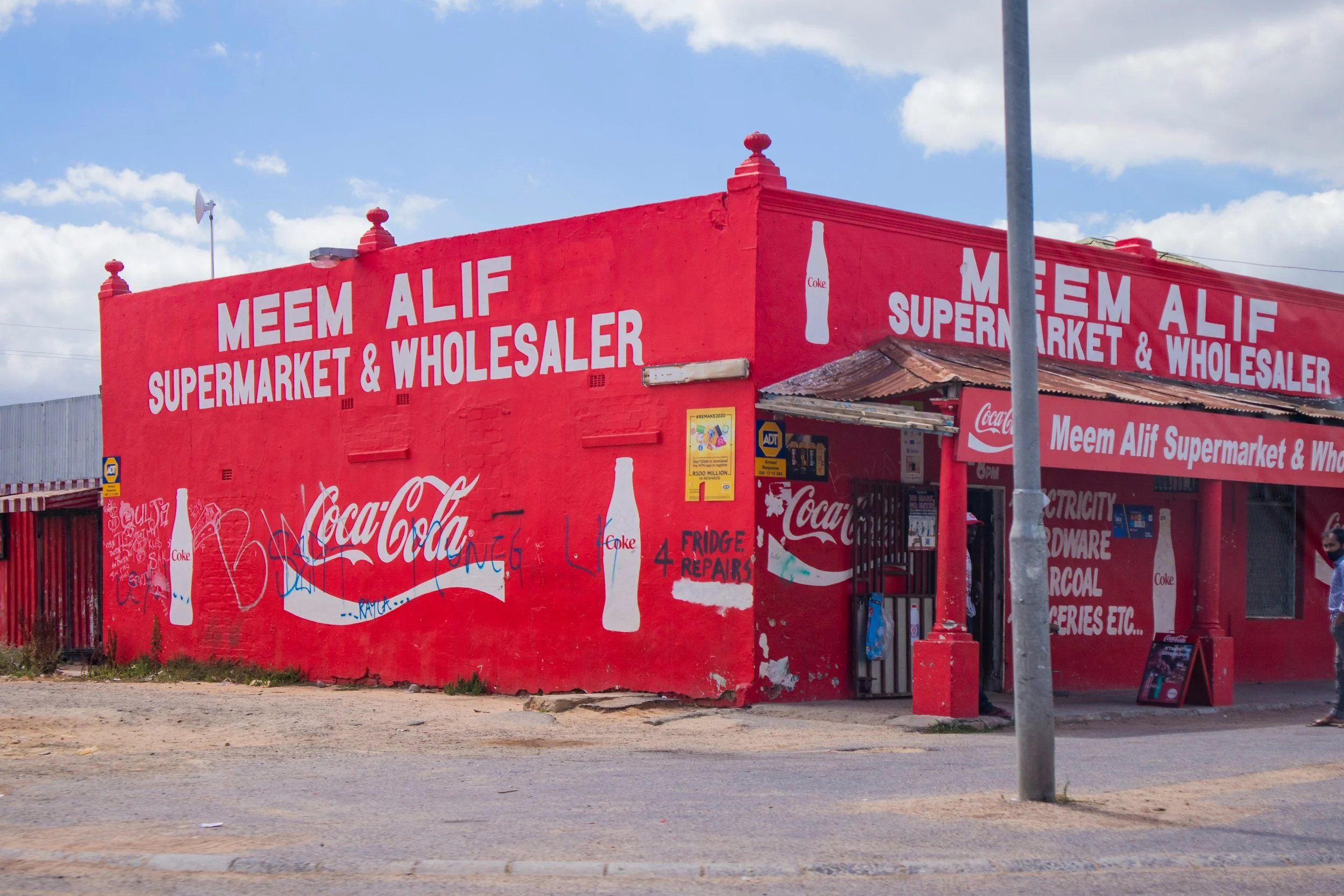
Marketing of unhealthy foods is concentrated in low‑income urban neighbourhoods, shaping dietary patterns from early childhood

Cheap ultra‑processed snacks and drinks are increasingly replacing traditional foods in many LMIC cities, especially among children and adolescents

Rising Food Costs in the UK and Vulnerable Communities
Exploring the realities and challenges of food insecurity in the UK: causes, impacts, and potential solutions for a healthier, more equitable future
3 billion
people cannot afford a nutritious diet, with the highest burden in Africa and South Asia
40-70%
1 in 5
30%
of the world faces moderate or severe food insecurity
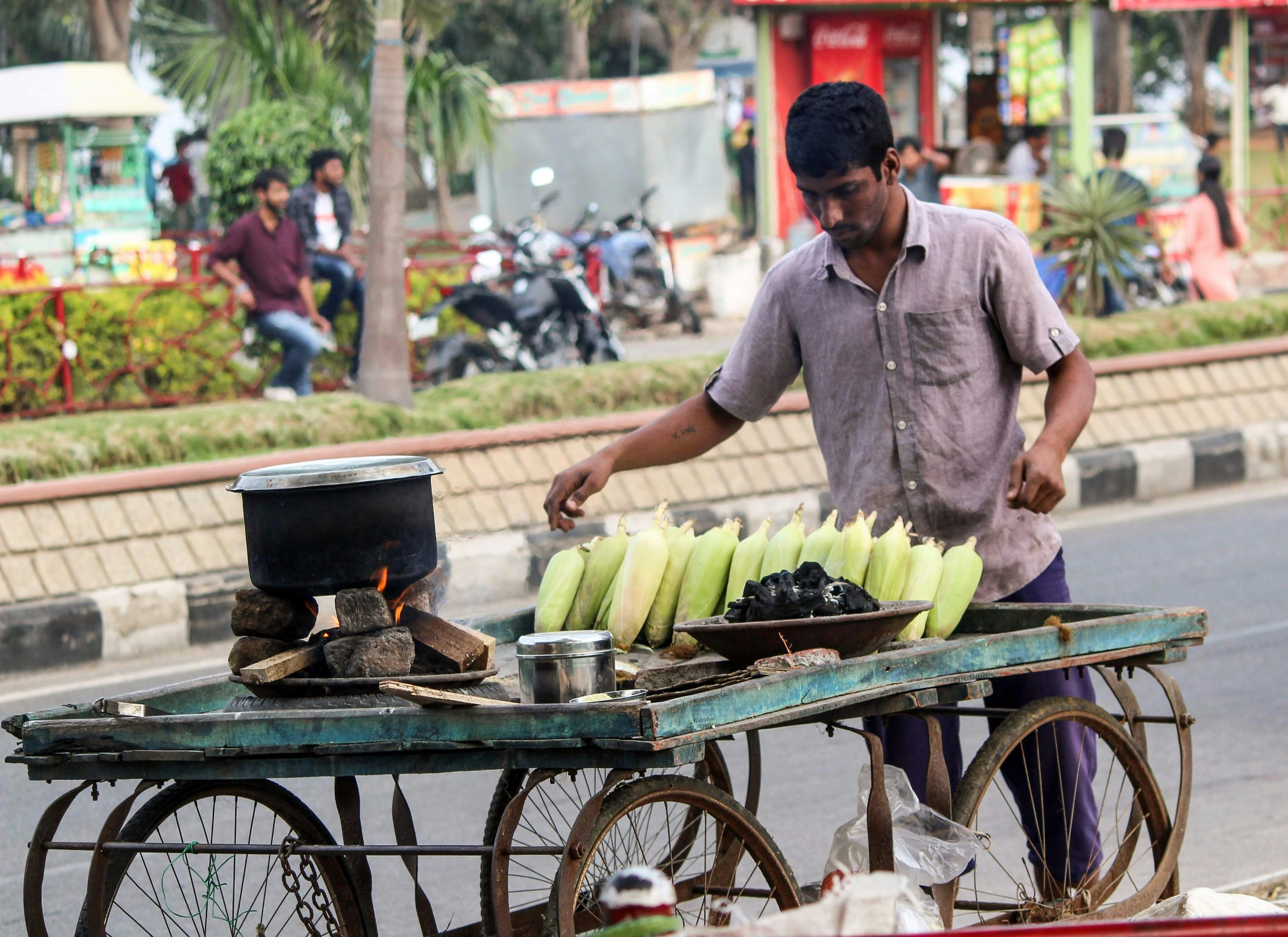
of daily calories for low‑income urban households in several LMIC regions come from street food
20 years
Life expectancy can differ by more than 20 years between neighbourhoods in the same city
deaths worldwide are linked to poor diet, driven by low intake of fruits, vegetables, and whole grains, and high intake of sodium and ultra‑processed foods

Balancing Blood Sugar: Nutrition Meets Medicine
Understand how insulin resistance and prediabetes develop and how medical and lifestyle changes can help prevent or reverse these

Farming, Processing, and Labelling on Nutritional Quality
Farming and food processing can impact the nutritional quality of our food, while clear labelling can help consumers make healthier choice, more informed choices

How Ultra-Processed Foods and Inflammaging Shape Ageing
How ultra-processed foods accelerate age-related inflammation and frailty, leading to chronic inflammation, muscle loss, and greater risk of disease and disability in older adults