About this Platform
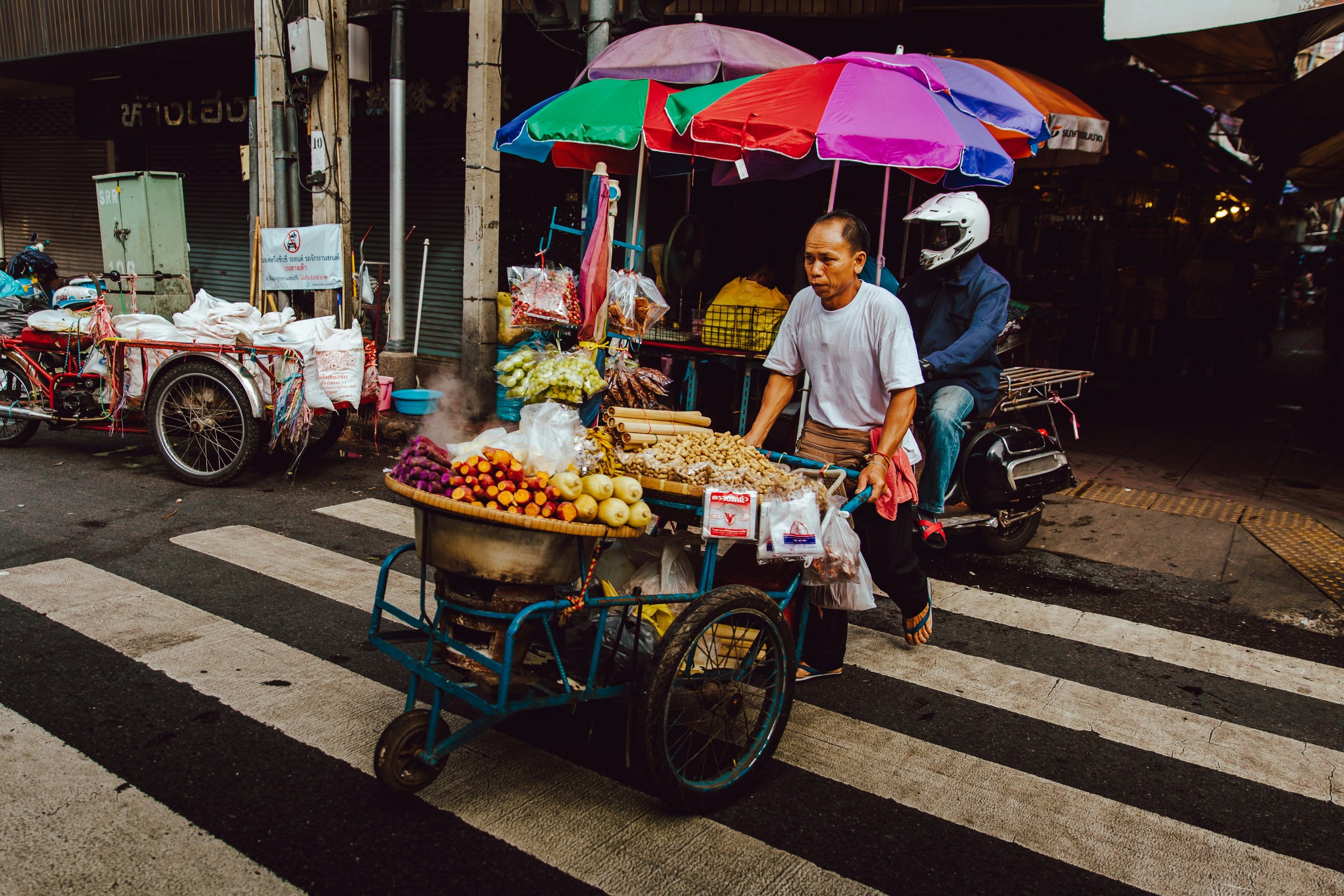
This platform examines the connections between urban food systems, brain & heart health, mental well-being, and structural inequities across the lifespan. It highlights the lived realities of food insecurity around the world and explores how culturally grounded, community-led approaches can strengthen resilience and nutrition security.
Grounded in equity and informed by policy, the aim is to elevate overlooked voices and contribute to systemic change that improves health and food environments in rapidly urbanising contexts.
“No society can thrive when access to nourishment depends on power, privilege, or geography. Equity must be the foundation of our food systems.”
About Alex
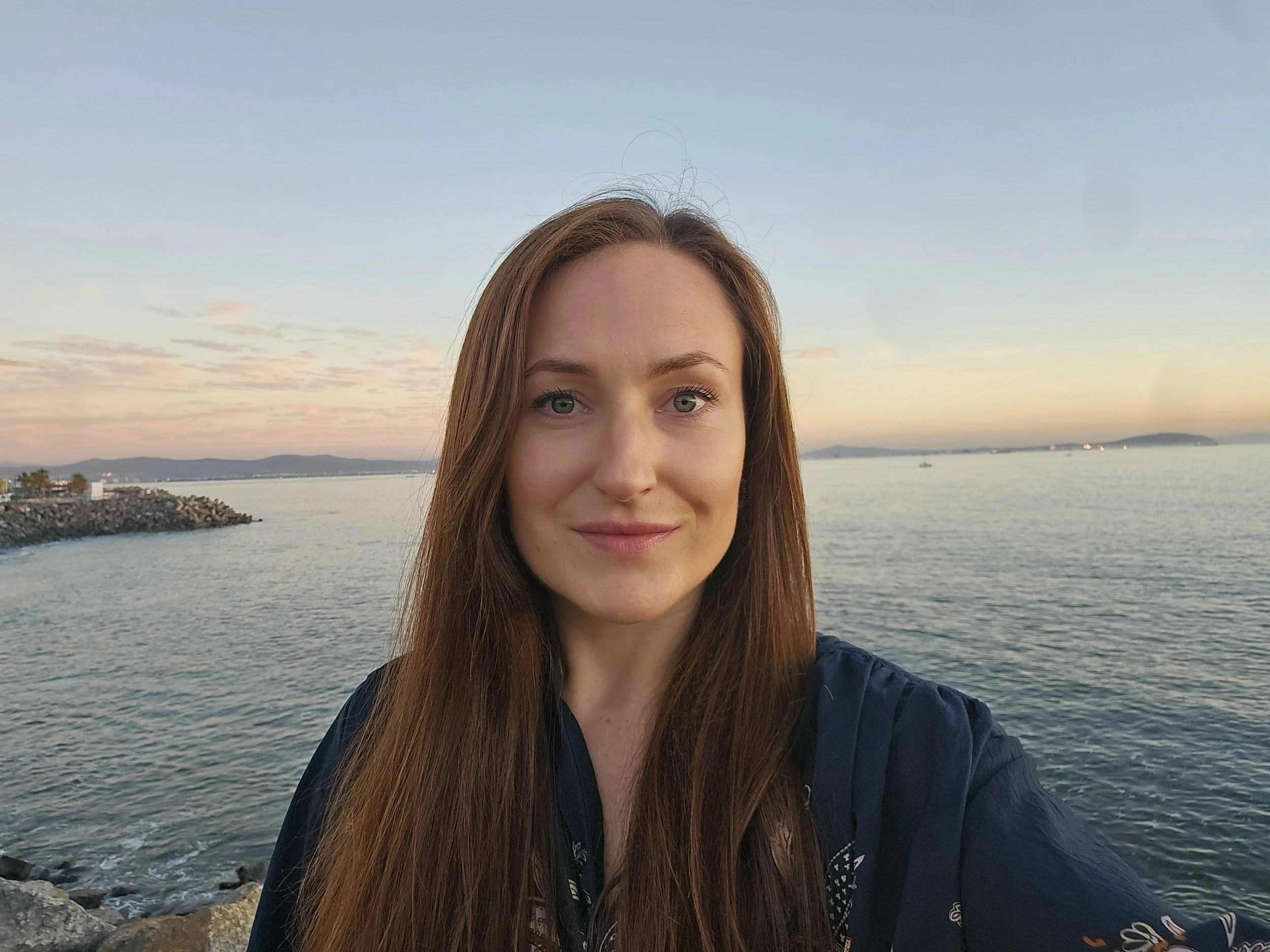
I’m Alex, a Nutritional Therapist and MSc graduate in Nutrition and Behaviour, with training in Montessori early childhood education. My own experiences with gut and mental health shaped my interest in how nutrition, environments, and daily realities influence how people feel, think, and function.
I focus on the intersections of nutrition, cognitive health, food systems, and health equity. I’m particularly interested in how food insecurity and structural conditions shape the pressures, routines, and constraints that influence behaviour and well‑being. These patterns reveal how deeply people’s health is tied to the contexts they live in, from the afforadability of food to the stability of their surroundings and the support available to them.
My current focus is on how urban food environments shape brain and mental health, how different communities encounter these environments in unequal and often challenging ways, and what it takes to create systems that genuinely enable people to thrive. My approach is grounded in curiosity, research, and listening closely to those most affected, because meaningful change starts with understanding lived realities and working alongside communities to reshape the conditions that shape health.
Changing the System
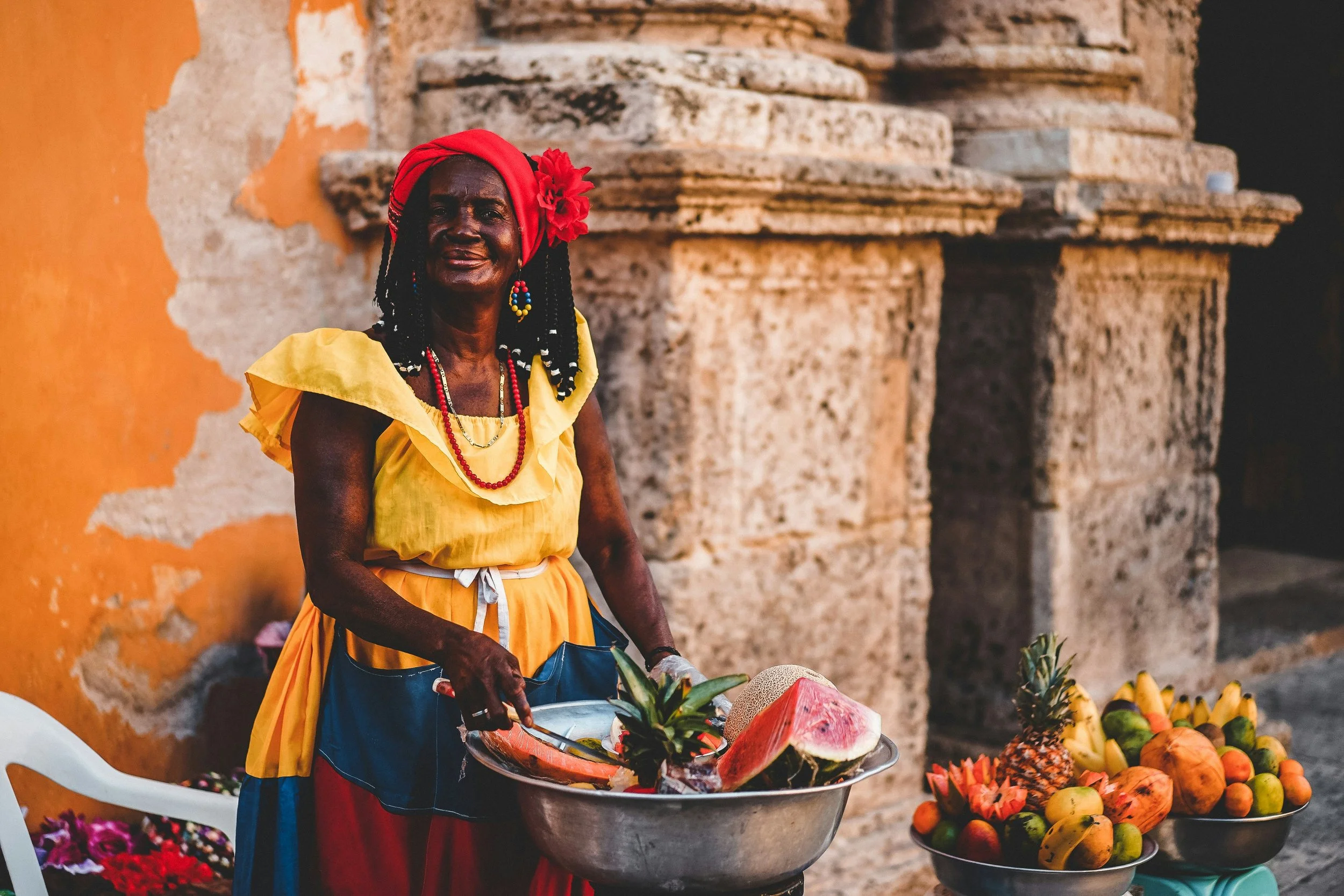
Equitable food access isn’t something one group can fix alone, it takes governments, organisations, and communities working together to build systems that actually support people’s everyday lives.
When communities have the tools, knowledge, and infrastructure to grow and access nutritious food, they’re less dependent on outside help and more able to shape their own futures.
Making sure people can rely on sustainable food sources isn’t just a development goal, it’s a basic part of reducing health gaps and supporting well-being across different regions and circumstances.