


Where nutrition meets global health and equity
“We should be aiming for a more sustainable and just global food system, because nutrition is not a privilege but a fundamental right”
Brain Health Food Systems Food Insecurity
Global Brain Health
Around the world, brain health is shaped by climates, the environment, the food system, and the policies. When communities have stable environments, equitable nutrition, culturally grounded food practices, movement, and connection, they’re better able to sustain mental clarity, emotional balance, and cognitive resilience.
Brain health emerges from the interplay between community strengths and the wider systems that shape daily life across the lifespan.

Learning, Nutrition & Development
Early nutrition and school environments provide the foundation for attention, learning, and emotional resilience. School meals, micronutrient access, and stable routines support healthy brain development. Research shows that reducing hunger and ensuring steady nutrient intake helps children sustain focus and engage more fully in learning throughout the day.
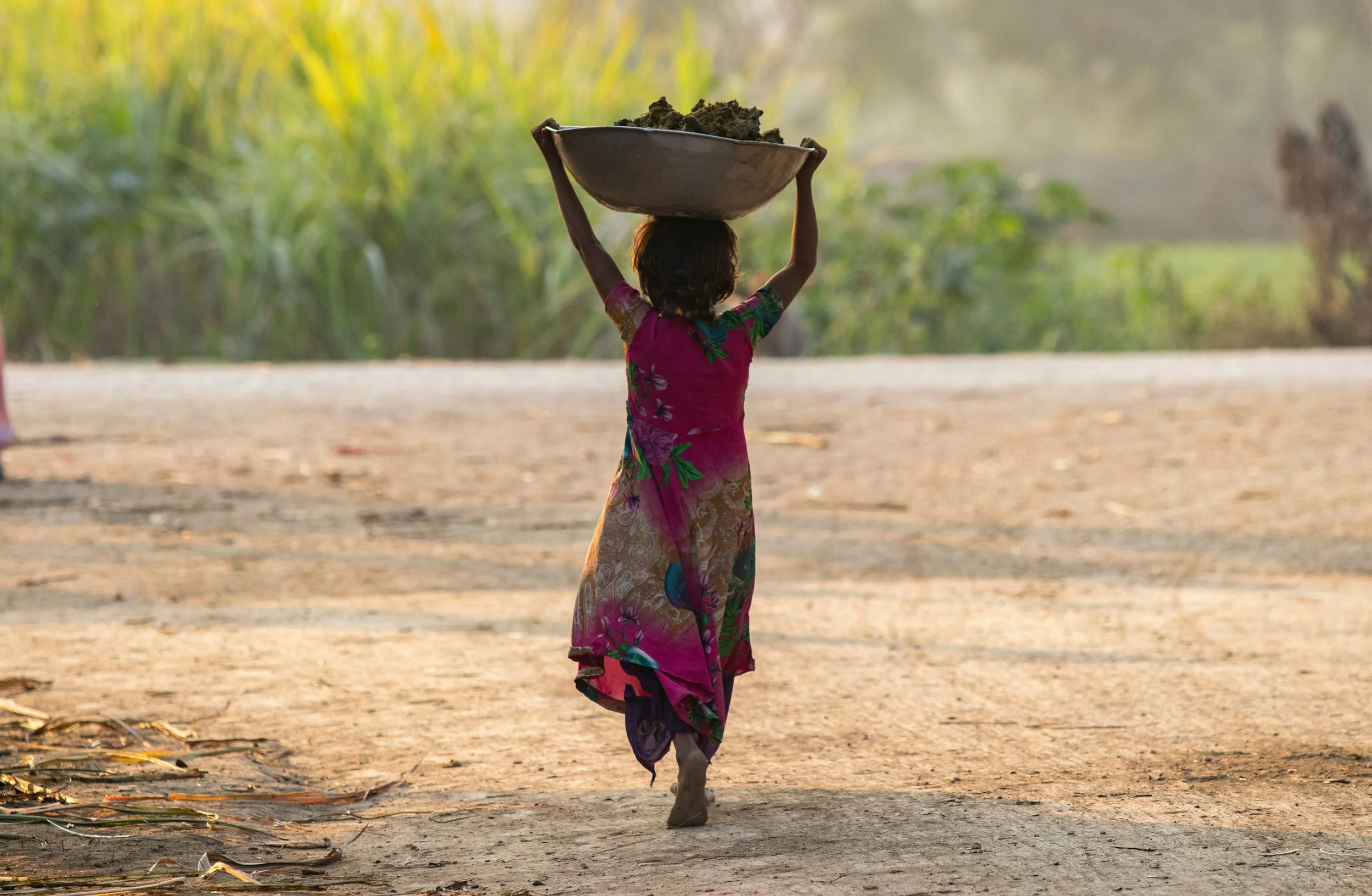
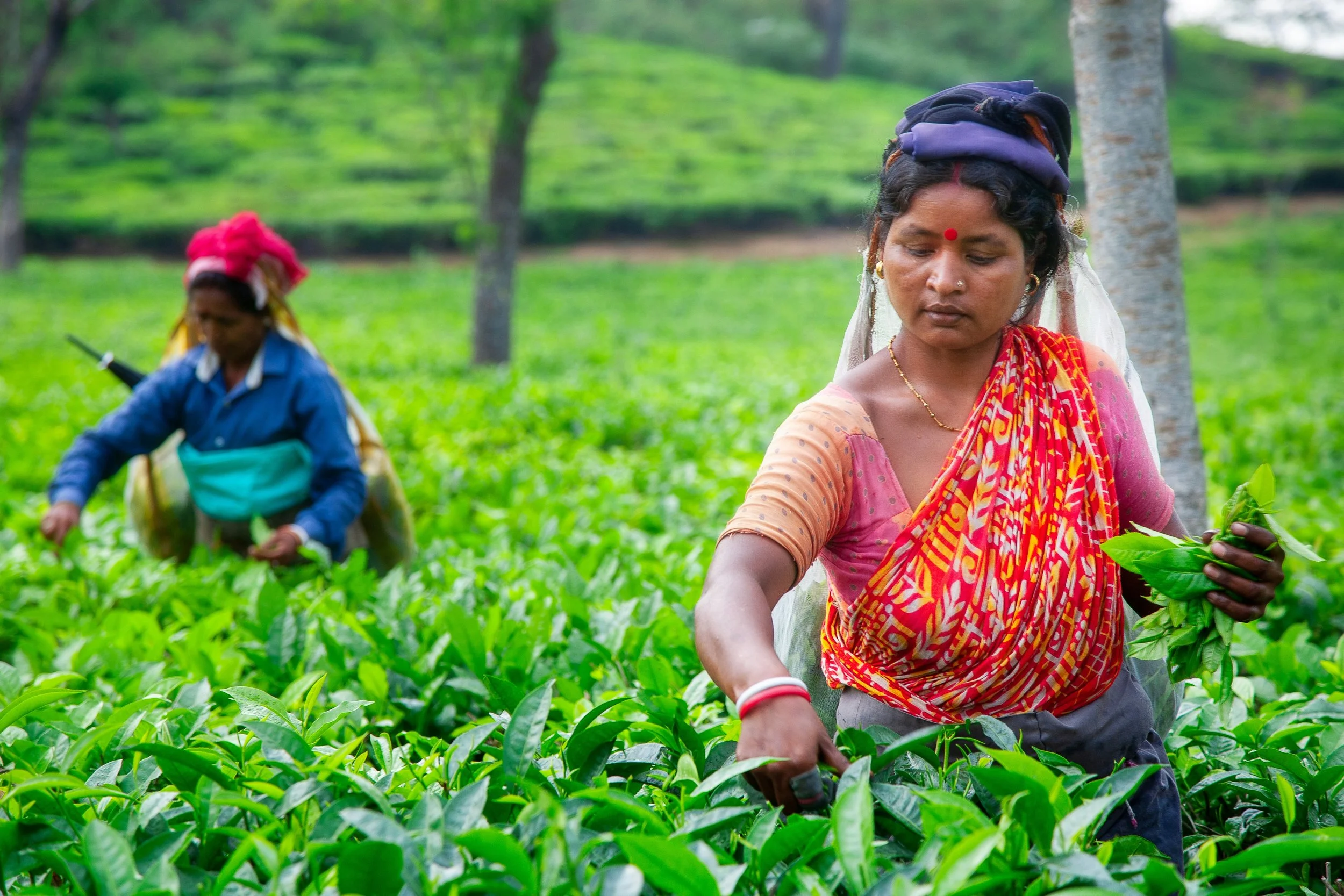
In India, evaluations of the Mid‑Day Meal Scheme show that regular, nutrient‑rich school meals improve children’s attention, reduce fatigue, and support better classroom participation, demonstrating how nutrition policy directly strengthens cognitive outcomes.

Climate & Neuroprotection
Heat, air quality, water security, and environmental degradation influence cognitive performance and mental well-being. Climate stressors increase fatigue, impair decision‑making, and heighten emotional strain. Exposure is also linked to wider health risks from respiratory problems to heat‑related illness, deepening the long‑term toll that environmental instability takes on both body and mind.
In countries like Vietnam and Cambodia, seasonal floods have been linked to school closures, food insecurity, and increased exposure to water‑borne illness, all of which heighten stress and reduce the cognitive bandwidth families have for planning, work, and decision‑making.
Labour & Mental Load
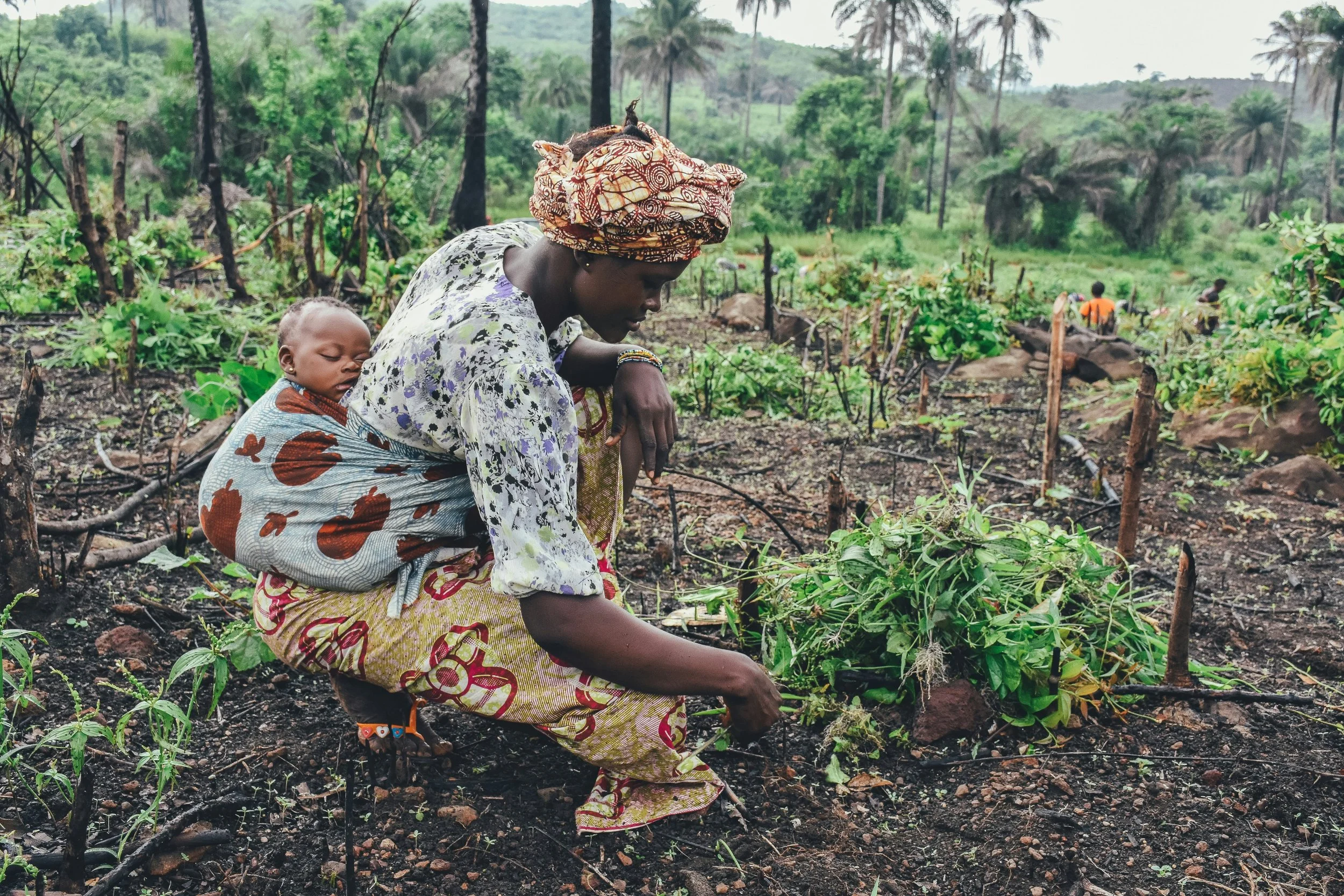
Working conditions, gendered labour, and economic precarity shape chronic stress and cognitive load. When labour systems are unstable or unsafe, the brain carries the burden. Research shows that persistent stress hormones impair attention, memory, and emotional regulation, making daily decision‑making more difficult over time.
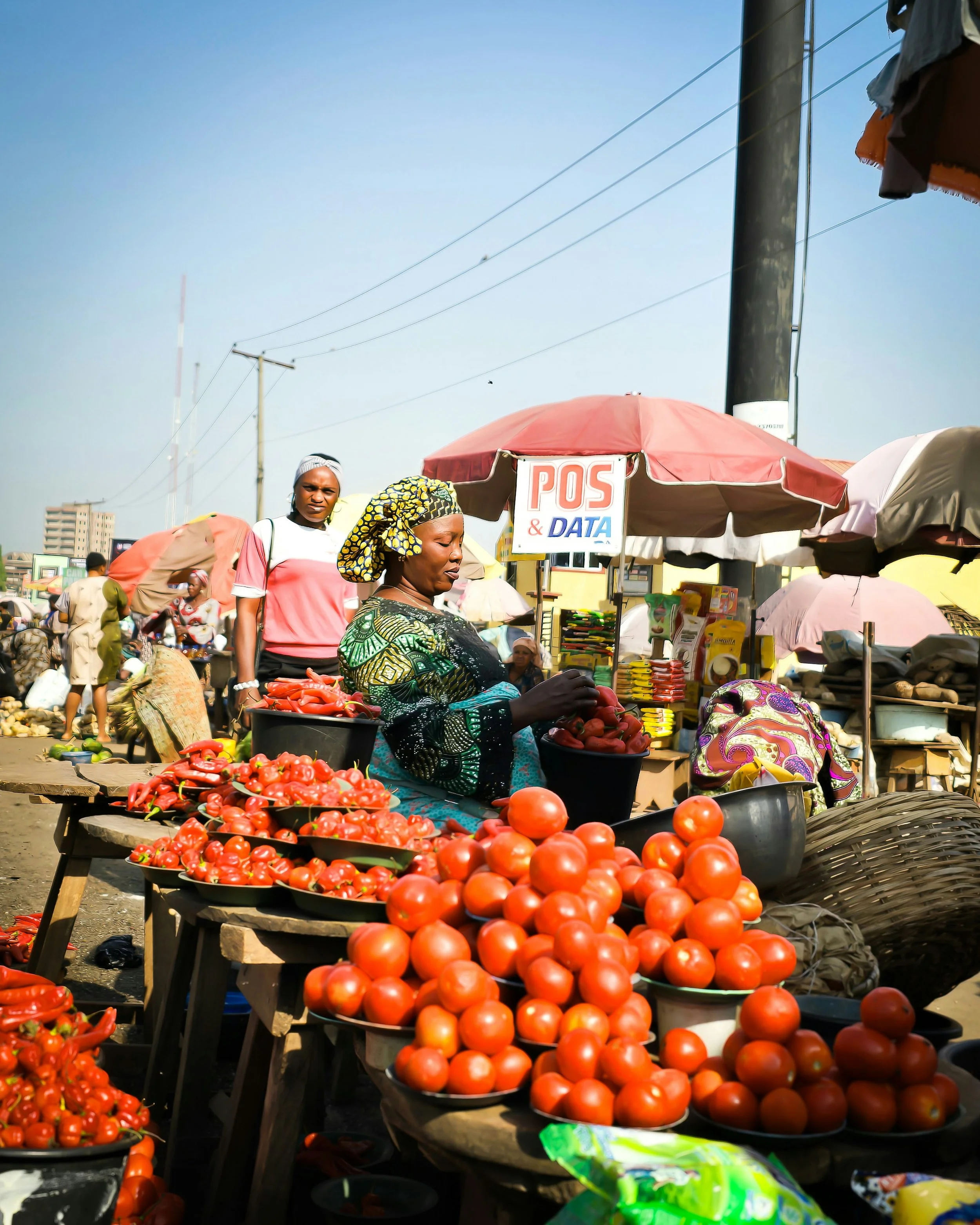
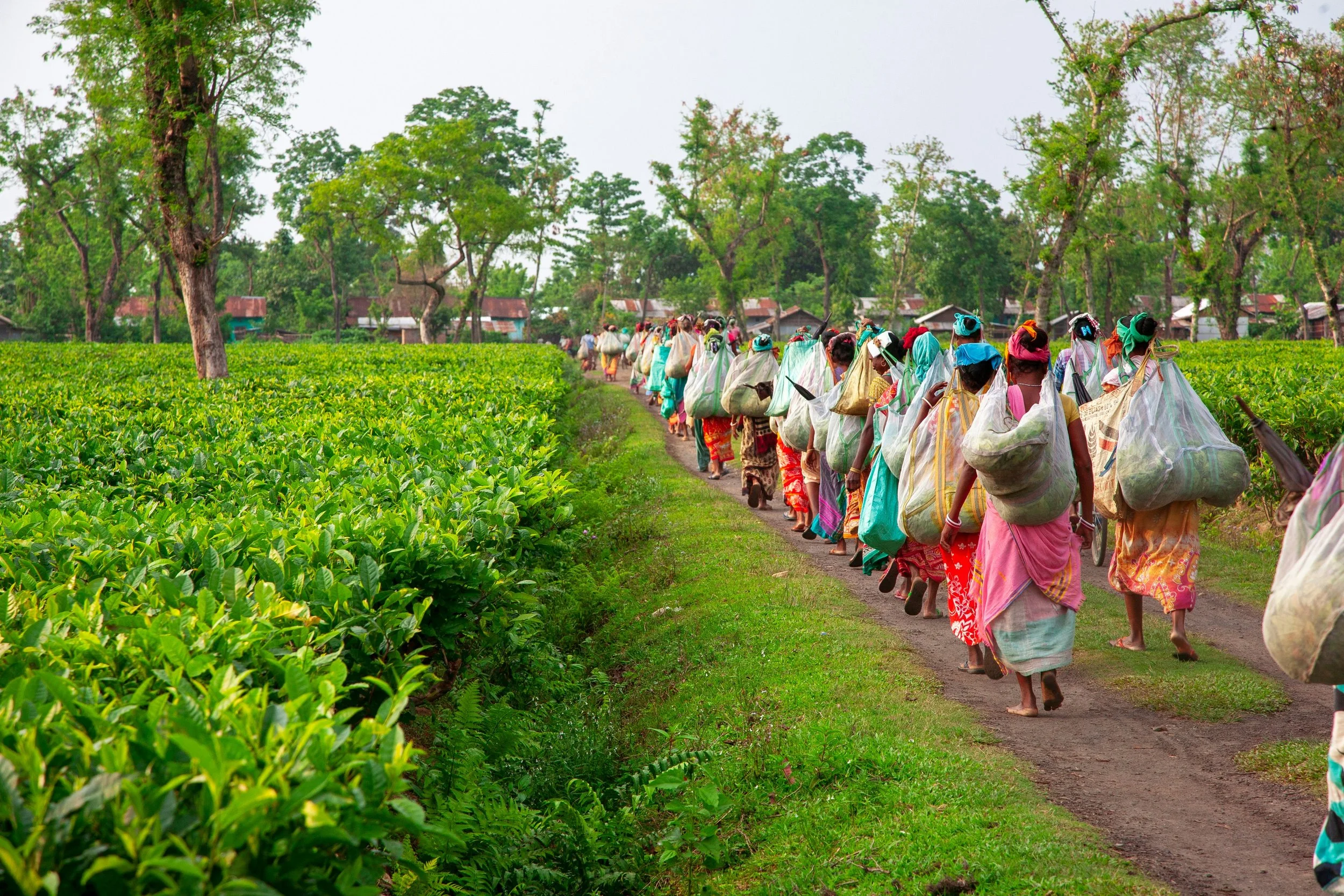
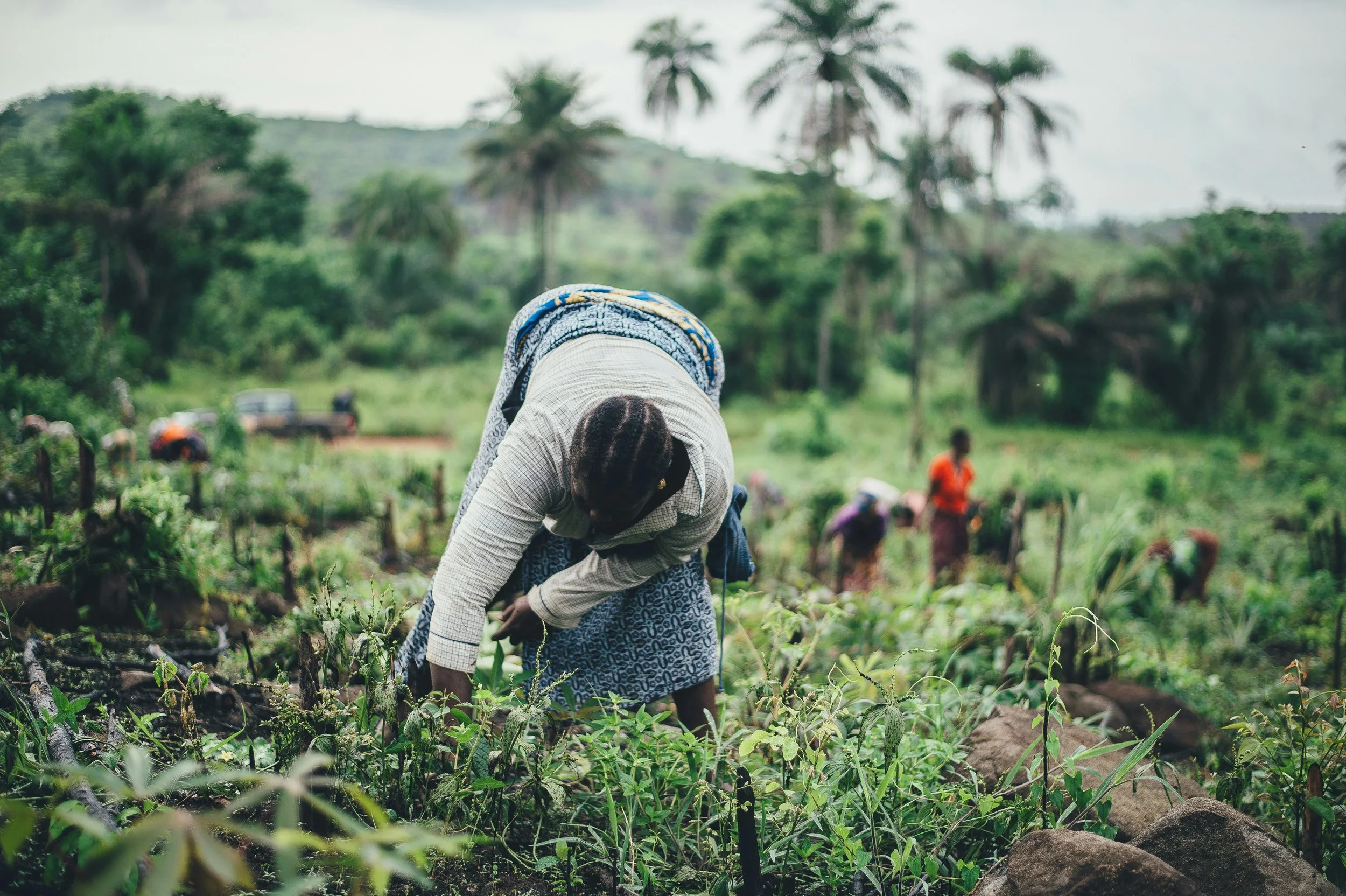
Across rural East Africa, women balancing farming, childcare, and household management navigate a continuous mental load shaped by limited childcare support, climate pressures, and gendered labour expectations. These overlapping demands influence focus, emotional regulation, and long‑term well-being.
Food Environment & Resilience
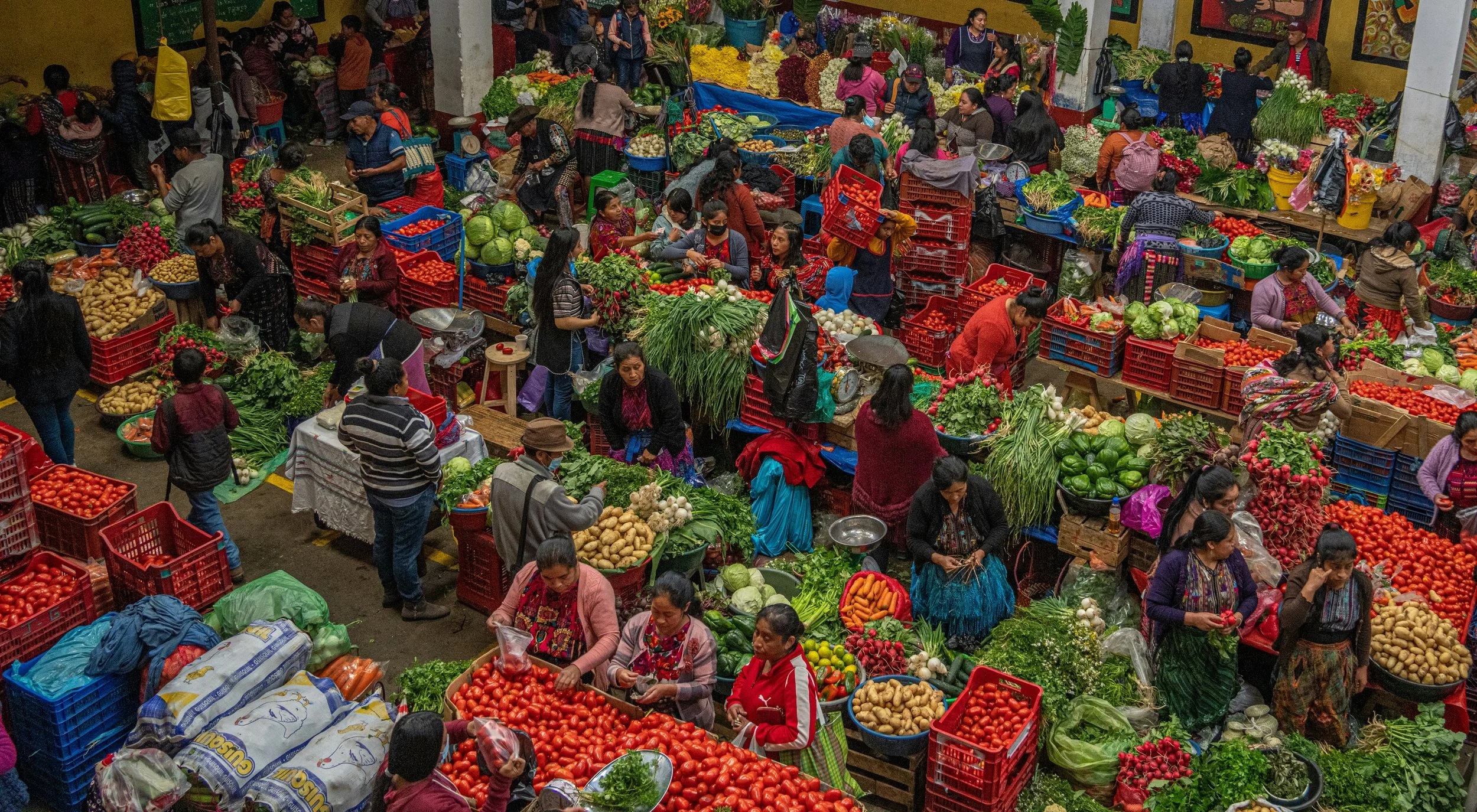
Food systems shape the nutrients available for memory, mood, and long‑term brain development. When communities have access to diverse, affordable foods, cognitive performance and emotional stability strengthen.
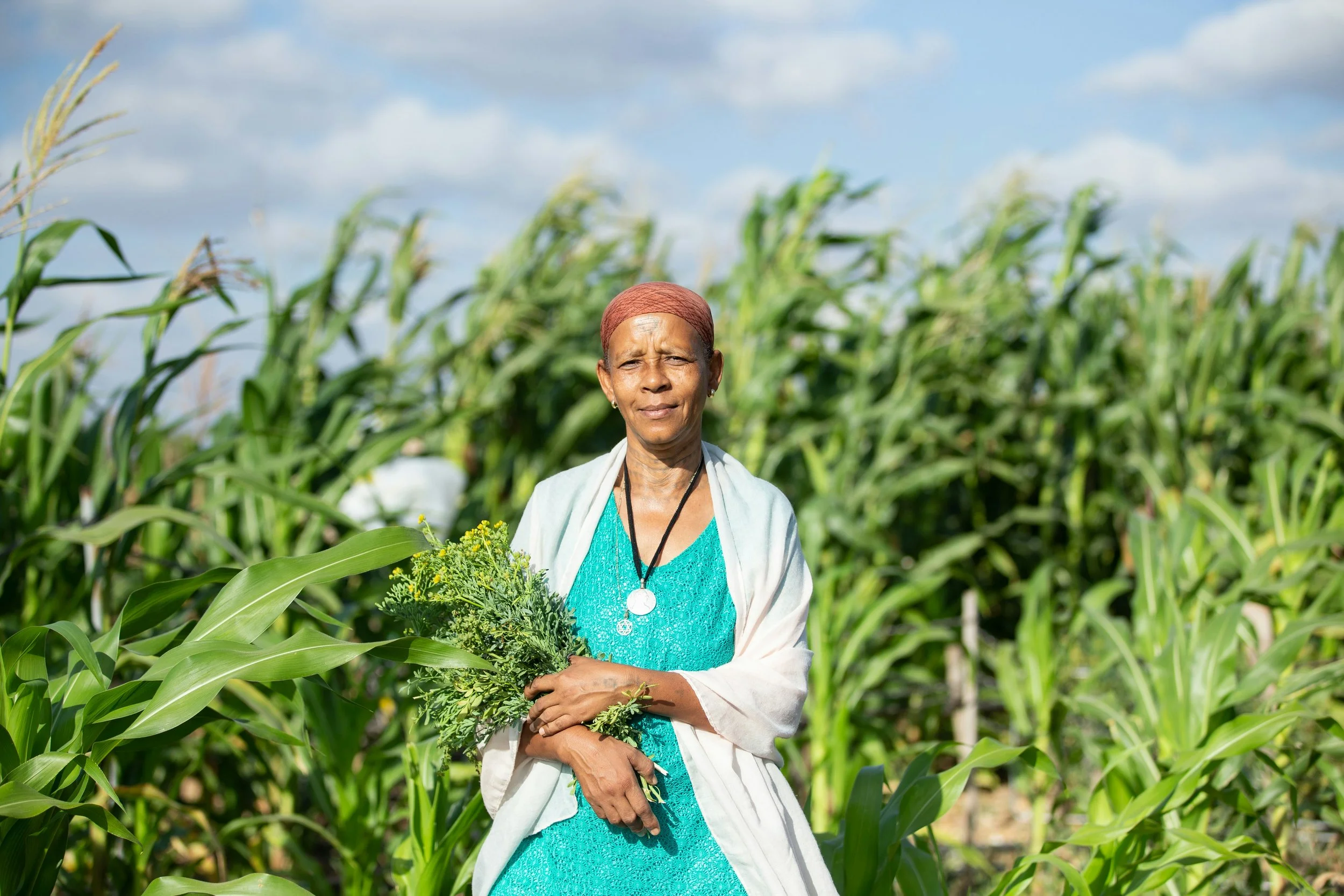
In rural Guatemala, many Indigenous households rely on maize, beans, and seasonal vegetables, meaning harvest disruptions can reduce dietary diversity and overall energy intake. These shifts influence daily focus, problem‑solving, and decision‑making because both nutrition and food insecurity directly affect cognitive performance.
Policy & Nutrition Equity
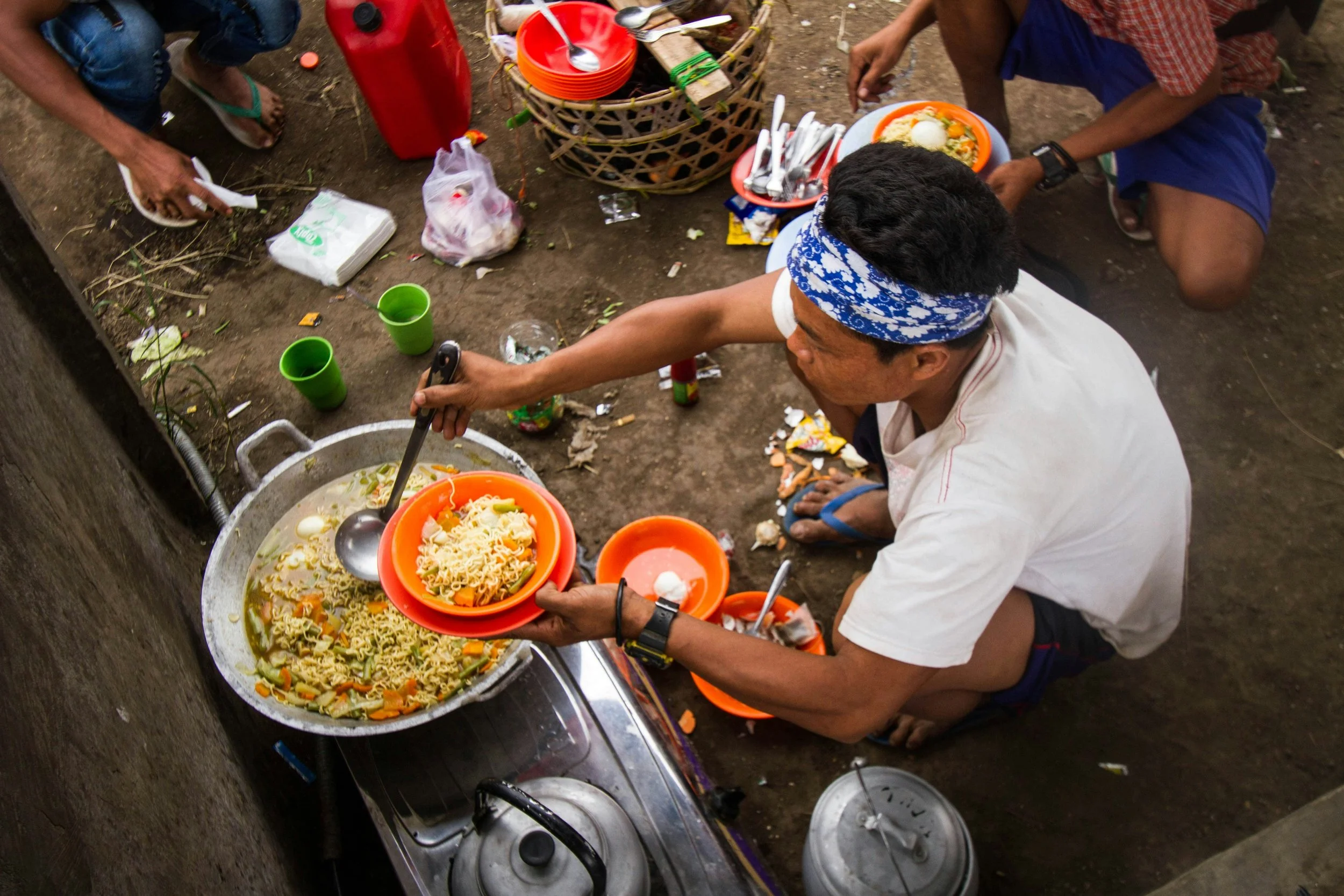
Agricultural policy, food pricing, trade systems, and social protection shape population‑level brain health. Equitable food systems reduce stress, improve nutrition, and strengthen cognitive outcomes across generations. When these policies fail, communities face higher food insecurity and chronic stress, amplifying the long‑term cognitive and social costs across entire populations.
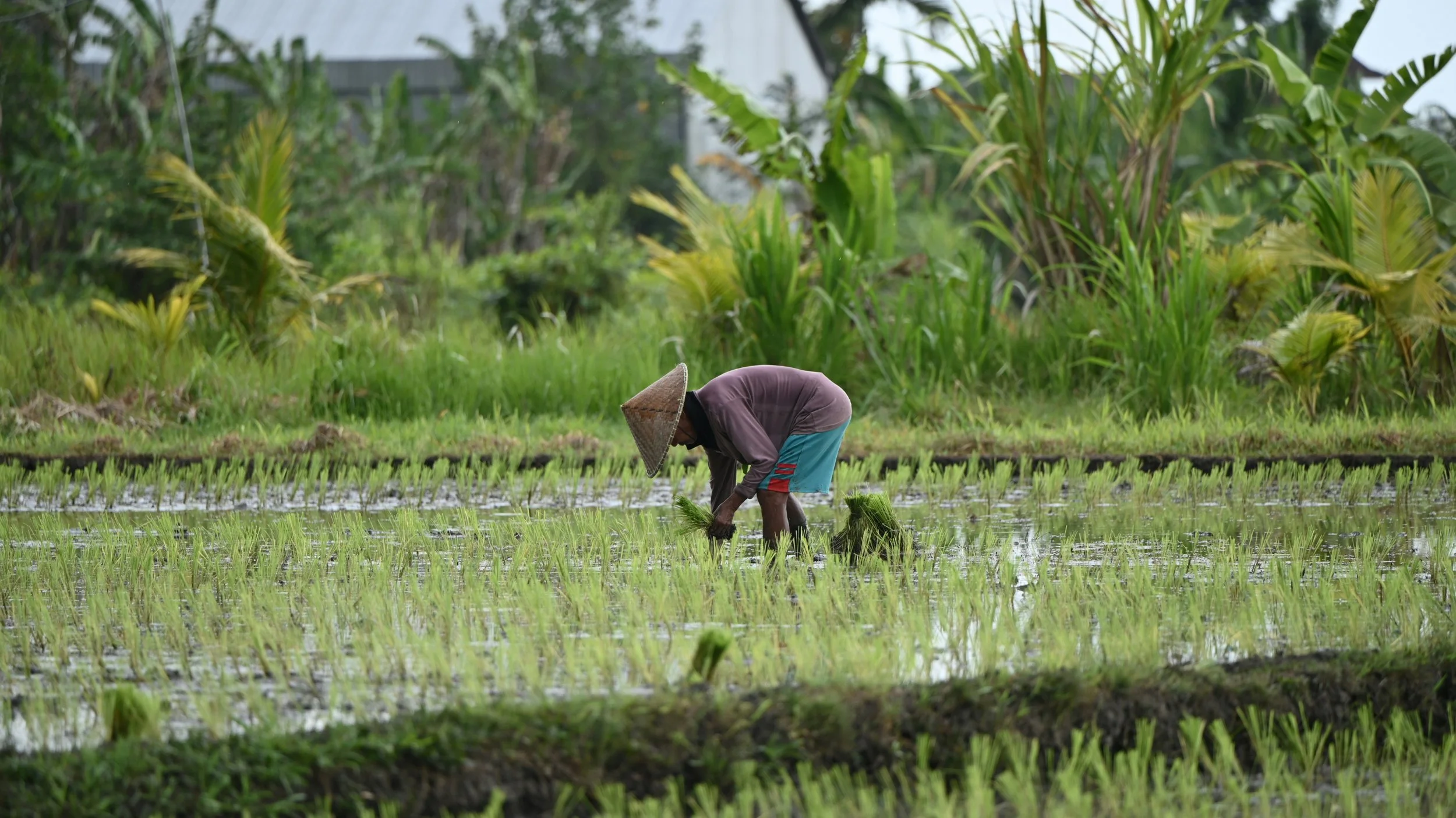
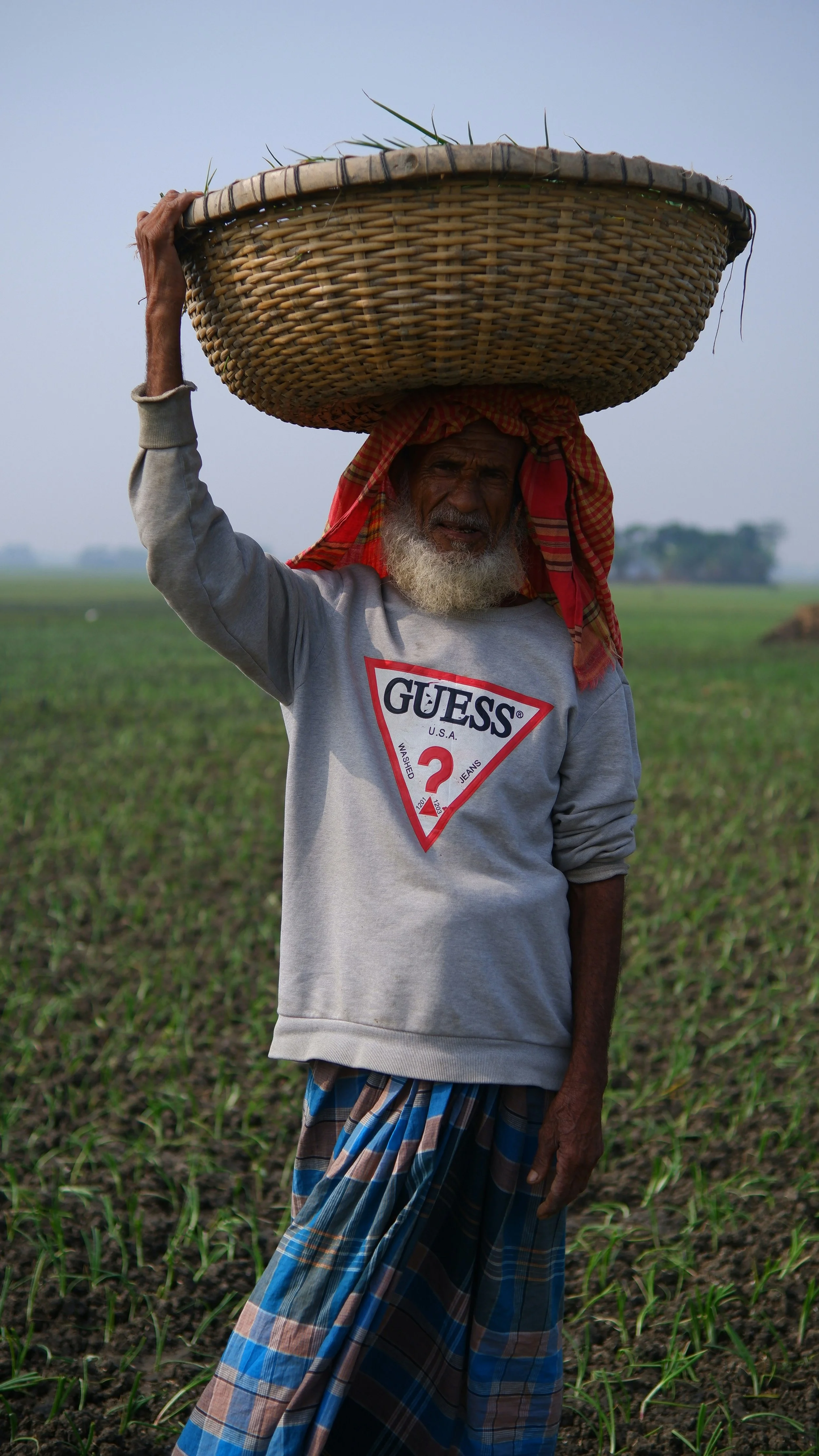
In Indonesia, fluctuations in rice prices and reductions in fuel subsidies have periodically increased household food costs, pushing low‑income families toward cheaper, less diverse diets. These pressures increase financial stress and reduce adults’ capacity to plan and make decisions, while limiting the stability children need for learning.
The Good Gut Series

A bite-sized series exploring the fascinating world of your gut microbiome, which each article breaking down the science behind gut health and exploring how everyday lifestyle choices like sleep, stress, exercise, and diet can nourish your inner ecosystem

Africa’s Rising Burden of Obesity and Disease
Exploring the alarming rise of obesity and non-communicable diseases in Africa compared to global trends, driven by urbanisation and changing lifestyles

Global Health Trifecta: Alcohol, UPFs and Mental Health
An overview of the shared mechanisms between alcohol, ultra‑processed foods and how they intersect with mental health

Rising Food Costs in the UK and Vulnerable Communities
Exploring the realities and challenges of food insecurity in the UK: causes, impacts, and potential solutions for a healthier, more equitable future